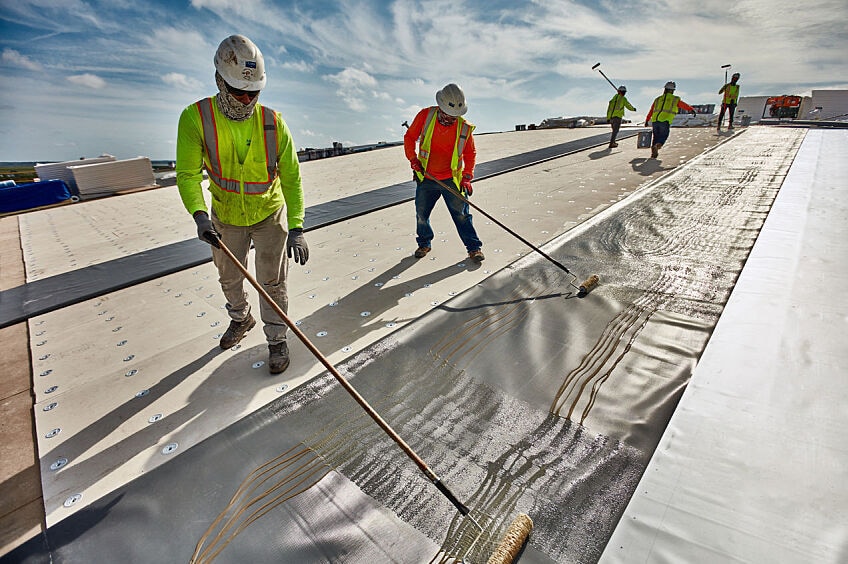
Commercial roofing is always evolving to meet the growing demand for more durable and long-lasting solutions, and one of the most notable innovations is the development of hybrid roofing systems. These systems combine the flexibility and ease of installation of single-ply membranes with the strength and reliability of traditional multi-layer assemblies.
By integrating the best of both technologies, hybrid roofing systems offer a range of benefits that make them especially well-suited for a variety of complex commercial applications, such as schools, healthcare facilities, and data centers. Read on to learn more about how hybrid roofing assemblies can help meet commercial building challenges.
Understanding Hybrid Roofing Systems
Hybrid roofing systems combine two different types of roofing membranes, each based on distinct technologies, within a single roof assembly. One unique advantage of hybrid systems is their versatility, offering a variety of solutions tailored to various roof deck types, including concrete, steel, and metal. For example, a hybrid roofing assembly may feature an asphaltic modified bitumen base layer paired with a reflective single-ply membrane cap layer, such as fleece-back TPO or PVC.
The Benefits of Hybrid Roofing Systems
Multi-ply systems are recognized for their superior durability, strength, and long-term performance, whereas single-ply membranes are known for their ease of installation, waterproofing capabilities, reflectivity, and flexibility in design. By merging the strengths of both, hybrid roofing systems deliver a high-performance solution that meets a range of commercial roofing needs.
Improved Durability and Longevity
One of the most significant advantages of hybrid roofing systems is their exceptional durability and extended lifespan. Multi-ply systems can withstand extreme weather conditions, including heavy rain, snow, high winds, and hail. The multiple layers of material in a multi-ply system add strength and resilience, helping protect the roof from long-term damage and ensure reliable performance for decades. Combined with single-ply membranes' flexibility and waterproofing properties, hybrid systems offer an even more durable solution. The single-ply membrane acts as an additional layer of protection, improving the roof's resistance to leaks and water infiltration.
This synergy between the two technologies results in a roofing system that can perform well under harsh conditions and outlast many traditional roofing systems.
Enhanced Energy Efficiency
Energy efficiency is a critical consideration for building owners, especially as utility costs continue to rise and sustainability becomes increasingly important. Hybrid roofing systems address this growing priority by enhancing a building's thermal performance through the combination of reflective, energy-efficient single-ply membranes and the insulating strength of multi-layer roofing assemblies.
Single-ply membranes, commonly made from materials such as PVC, TPO, or EPDM, are highly reflective and can significantly reduce a roof's solar heat absorption. This helps keep buildings cooler during hot weather, lowering the demand for air conditioning. When paired with the insulating properties of multi-ply systems, hybrid roofs provide an energy-efficient solution that can help regulate indoor temperatures and reduce overall energy costs.
Cost-Effectiveness Over the System's Life Cycle
While the upfront cost of installing a hybrid roofing system may be higher than that of a traditional roofing system, the long-term savings over its life cycle can be substantial. Thanks to their durability, longevity, and energy efficiency, hybrid systems may require less maintenance and help reduce energy consumption over time. This can result in a lower total cost of ownership, making hybrid roofing systems a smart, cost-effective investment for building owners.
Flexibility in Design and Application
Hybrid roofing systems offer remarkable flexibility in terms of both design and application, making them a popular choice for diverse environments, such as schools, healthcare buildings, and data centers. These systems can be customized to meet the specific needs of the building's location and function.
Additionally, the wide range of materials used in hybrid systems allows for tailored solutions based on aesthetic goals, performance demands, and budget constraints.
Hybrid Roof Assemblies in Commercial Sectors
School Buildings
K-12 schools and higher education buildings are typically long-term investments that require durable, high-performing roofing systems. Roofs on these facilities may be subject to high levels of foot traffic, especially in areas such as gymnasiums, hallways, and rooftops that may be used for HVAC equipment or outdoor classrooms. The enhanced strength and multi-ply redundancy of hybrid roofing systems are particularly well-suited for these demands, helping ensure the roof remains intact and functional even under constant use.
For example, in the state of Texas, multiple school districts working with architects and consultants have come up with a viable solution to reduce warranty claims related to inclement weather, such as hail and high winds. These stakeholders are specifying asphaltic and hybrid roofing systems due to their proven durability and resilience in these conditions. Similar approaches will likely be seen in the near future as insurance companies and building owners push for more durable roofing solutions to safeguard educational investments in the face of increasingly frequent climatic events.
Energy efficiency is also a key concern for many school districts and college campuses. Hybrid roofing systems offer excellent thermal performance, which can lower energy costs for heating and cooling, freeing up valuable resources for other critical areas, such as educational programs and staffing.
Healthcare Facilities
Healthcare facilities, including hospitals and clinics, require roofing systems that can handle industry-specific challenges. Infection control and noise reduction are often top priorities, as a quiet, clean environment is essential for maintaining high standards of patient care. In addition, because healthcare facilities often operate 24/7, it's critical to minimize disruptions during roof installation and maintenance.
Adhered hybrid roofing systems offer a distinct advantage in healthcare settings. Unlike mechanically fastened systems, they do not require penetrations through the roof deck, reducing the risk of vibration, contamination, and disturbances, especially in sensitive areas such as clean rooms, imaging suites, and laboratories. This non-invasive approach helps protect both specialized equipment and patient well-being during construction.
In addition to supporting strict environmental controls, hybrid roofing systems provide long-term durability and require minimal maintenance, further reducing potential disruptions. Their ease of installation and resilience make them an ideal choice for protecting critical infrastructure while maintaining uninterrupted service and a safe, stable environment.
Data Centers
Data centers house critical IT infrastructure that must be protected around the clock. Effective thermal management is also essential, as excess heat can lead to equipment failure or decreased performance.
Hybrid roofing systems provide the necessary durability, energy efficiency, and thermal management to help support optimal data center operations. They can help protect sensitive equipment while contributing to the overall energy efficiency of the building.
Reliability is another key requirement for data centers. With their long lifespan, minimal maintenance needs, and consistent performance, hybrid roofing systems offer a dependable solution that can help reduce the risk of costly disruptions.
Hybrid Roofing Systems: A Key Innovation for Complex Building Types
Hybrid roofing systems provide a viable solution to the complex challenges commercial building owners face, particularly in sectors like education, healthcare, and data centers. By combining the protective properties of single-ply membranes with the durability of multi-layer systems, these roofs offer enhanced durability, energy efficiency, cost-effectiveness, and design flexibility.
GAF is a pioneer in hybrid roof assemblies. As GAF continues to innovate and expand its portfolio of approved hybrid roof assemblies, it will provide even more custom solutions for a wide range of building types and needs. For additional information on rooftop installation and design in commercial sectors, check out the GAF School Rooftop Resources and Healthcare and Hospital Roofing Solutions pages.
