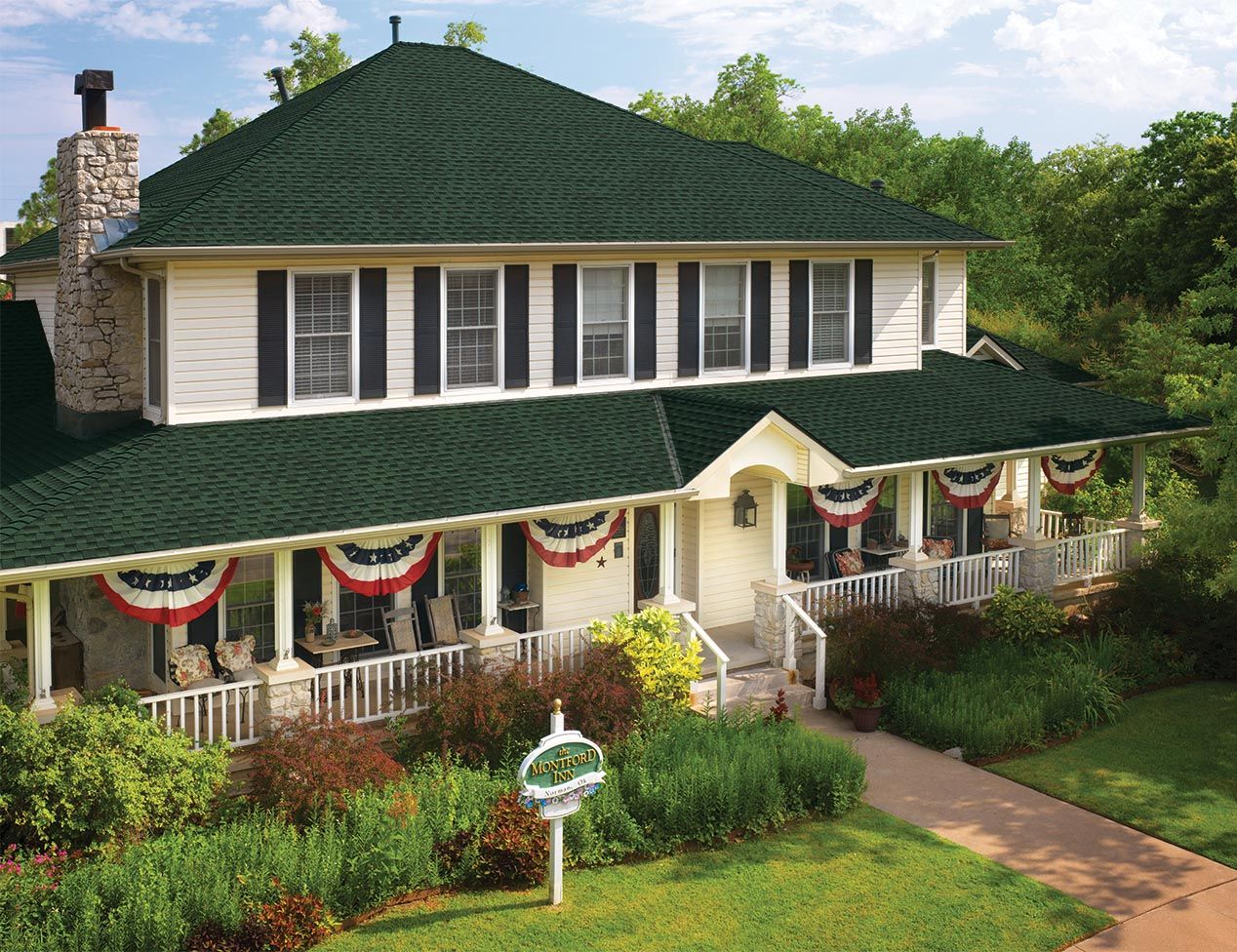
If you've ever noticed the different roof shapes and styles in your neighborhood, you may have wondered about their purpose and structure. For example, hip roofs are among the most common types of roofs, second only to gable roofs.
What Is a Hip Roof?
Also called a "hipped" roof, this kind of roofing system slants down on all four sides, where it connects to the walls at the eaves. On a square building, a hip roof will resemble a pyramid. On a rectangular building, the smaller sides are called hip ends. A gable roof, on the other hand, only slants on two sides where it connects to the walls at the eaves-the other two walls extend up from the eaves to the peak or ridge.
How do you know if a hip roof is right for you? You'll have to consider where you live, the shape of your house, and your budget.
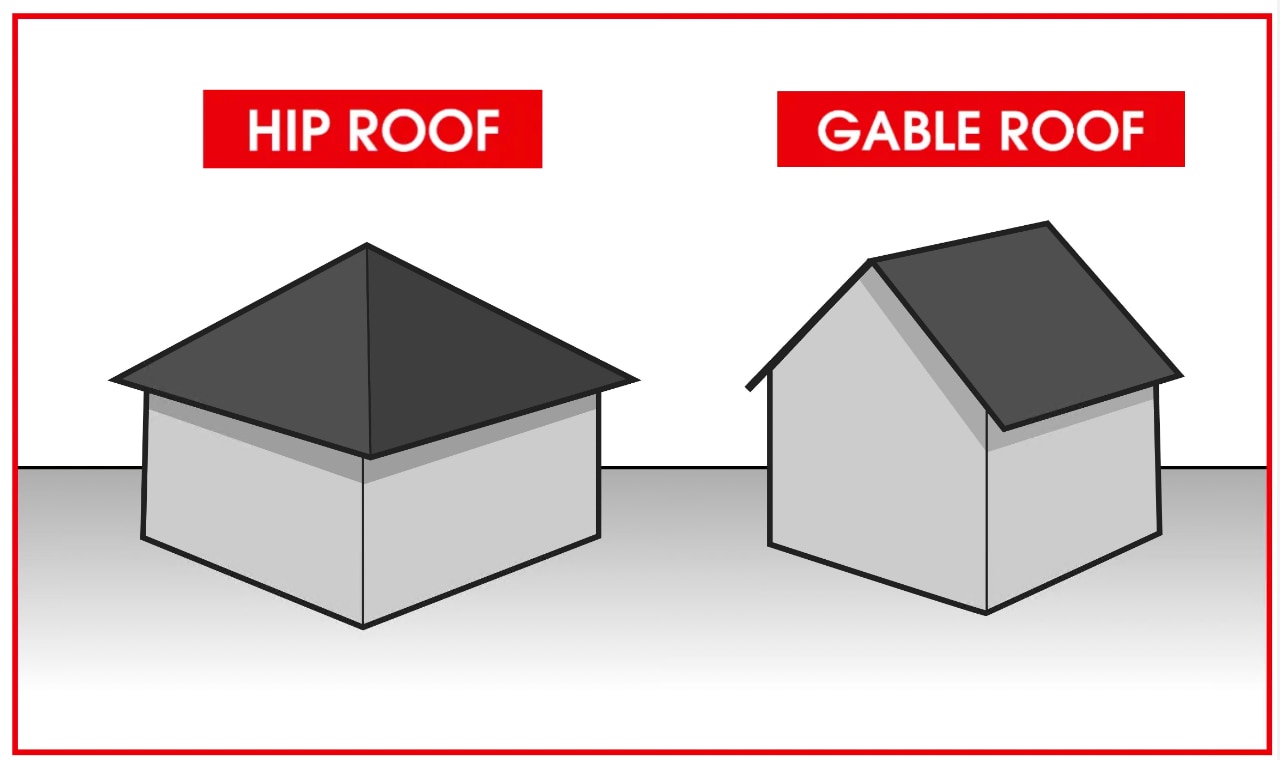
Hip Roof vs Gable Roof Comparison
Feature | Hip Roof | Gable Roof |
Appearance | Four sloping sides coming together at a ridge. | Two sloping sides forming a triangle at the ends. |
Wind Resistance | Excellent, as the sloped sides offer less wind resistance. | Less resistant to strong winds, especially at the gable ends. |
Cost | Generally more expensive due to more complex construction. | Typically less expensive and easier to build. |
Structural Design | More complex, with multiple hips and valleys. | Simple, straightforward design. |
Ventilation | Typically little/no ridgeline, requiring off-ridge vents. | Typically, ideal for traditional ridge vents. |
Attic Space | Limited headroom and usable space. | Offers more usable attic space. |
Advantages of Hip Roofs
What is a hip roof's main benefit? They're designed to be self-bracing: all four sides of the roof have an inward slope that helps make it durable and structurally stable. Hip roofs suit areas that have a greater chance of high wind, heavy snow, or other severe weather.
Hip roofs are framed with a ridge board at the top where the roof faces meet, while hip rafters follow along the line at each connection point. Rafters help support the faces of the roof-common rafters connect to the ridge board at the top and the eave or fascia at the bottom, while jack rafters are installed in the area where the roof slopes down.
This support doesn't come at the cost of the home's aesthetic. A hip roof will match endless combinations of building styles and shapes, including square, rectangular, and even uniquely shaped buildings. Your floor plan, the shape of the building, and your plans for the attic may determine the intersection of rooflines. However, you can create just the look you want with additions such as gables and dormers.
Disadvantages of Hip Roofs
Due to their more complicated design features, hip roofs are generally more expensive to design and build than a standard gable roof. They typically require more material than gable roofs and have a more complex design, which increases installation time.
Another potential downside is space: there is less room in the attic when using a hip roof than when opting for a gable roof design. If the attic also acts as a living space, this reduction in size might be important. A gable-style roof can help create more room in the attic.
Ventilation is handled differently on hip roofs since they typically have little/no ridgeline which is required to install traditional ridge vents. Thus, off-ridge vents are recommended. Gable-style roofs usually offer ample ridge line allowing for ridge vents to be installed. In both cases, a balanced attic ventilation system consisting of both intake and exhaust should be installed to help manage damaging heat and moisture in the attic.
Types of Hip Roofs
Hip roofs come in many shapes and sizes such as:
Pavilion or Pyramid Roof: This is a common hip roof on a square building. As its name suggests, it creates a pyramid shape.
Mansard Roof: This roof type has two sloping angles on each side of the roof. The lower angle is generally much steeper than the upper angle. A mansard roof has eight roof faces, in contrast to the standard four.
Tented roof: Tented roofs have multiple steep sides that slope up to a peak. Church steeples are often tented roofs.
Dutch Gable or Gable Roof: This is a hip roof with a small gable section on the upper portion of the roof.
Half-Hip, Clipped Gable, or Jerkinhead Roof: These combine components from both hip and gable roofs. The end of a gable roof includes a small hip roof section that slopes toward the ridge.
Maintenance Tips for Hip Roofs
Hip roofs are known for their durability, but like any roofing system, they require regular care to perform at their best. To keep your roof in good shape, we recommend regular inspections at least twice a year, ideally in the spring and fall. These inspections should focus on key areas such as the ridges, hips, and valleys, where water naturally collects and flows. Check for loose, cracked, or missing shingles and any debris buildup. It's also important to inspect the flashing around chimneys, skylights, and vents. If you notice a small issue, addressing it quickly can prevent it from turning into a costly repair. Regular cleaning of gutters is also vital to ensure proper drainage and prevent water from backing up under the roof.
Common Issues to Look for and How to Address Them
A common issue with hip roofs is damage from high winds, especially in coastal or storm-prone areas. While they're more durable than other types of roofs, high winds can still lift or tear off shingles. Look for any exposed underlayment or missing pieces. Another issue can be moisture buildup in the attic if the ventilation is poor. The design of a hip roof can limit attic space and airflow, so make sure your vents are clear and functioning correctly. For addressing these issues, small repairs can often be done with replacement shingles and a tube of roofing sealant. For more extensive damage or ventilation problems, it's best to consult a professional roofing contractor.
Recommended Products for Roof Maintenance
GAF offers a range of products to help with roof maintenance. For repairs, a quality roofing sealant like GAF's brand of roofing cement can be used to secure loose shingles or seal small cracks. To address attic ventilation concerns, Cobra® Ridge Vents or Master Flow™ Off-Ridge Vents can be installed to provide airflow and help reduce moisture buildup. Using GAF shingles and other components can also ensure your roof is covered by a comprehensive warranty.
Hip Roof FAQs
How is a hip roof constructed?
A hip roof is constructed with a series of rafters that slope down from a central ridge or a hip rafter that slopes from a corner. The main structural components include the ridge board, common rafters, and hip rafters, which run from each corner of the building to the ridge board. Hip roofs require more complex framing than gable roofs because of the multiple angles and the need for precision to ensure all four sides meet properly. The added complexity often means more labor and a higher cost, but it results in a more stable and aesthetically balanced structure.
How do you calculate the pitch of a hip roof?
The pitch of a hip roof is calculated in the same way as other roofs: it's the ratio of the vertical rise to the horizontal run. For example, a 6:12 pitch means the roof rises 6 inches for every 12 inches of horizontal run. To calculate this, you need to measure the vertical height from the top of the wall to the peak of the roof (the rise) and the horizontal distance from the outer wall to a point directly below the peak (the run). This calculation is crucial for determining the correct materials, as shingle and tile manufacturers specify their products for certain pitch ranges.
What materials are commonly used in hip roof construction?
Hip roofs can be constructed from a wide range of materials, including asphalt shingles, metal, tile, and wood shakes. Asphalt shingles are the most common choice due to their affordability, durability, and wide variety of styles and colors. Metal roofing, such as steel or aluminum, is popular for its longevity and resistance to extreme weather. Tile and slate offer a classic, long-lasting look but are heavier and more expensive. The choice of material often depends on the homeowner's budget, the desired aesthetic, and the climate, but the core construction method remains consistent regardless of the final roofing material.
Now that you know what a hip roof is, you'll be able to identify whether or not your house has one and how it can have an impact on your home.
Originally published: December 17, 2021 | Updated: May 5, 2026
