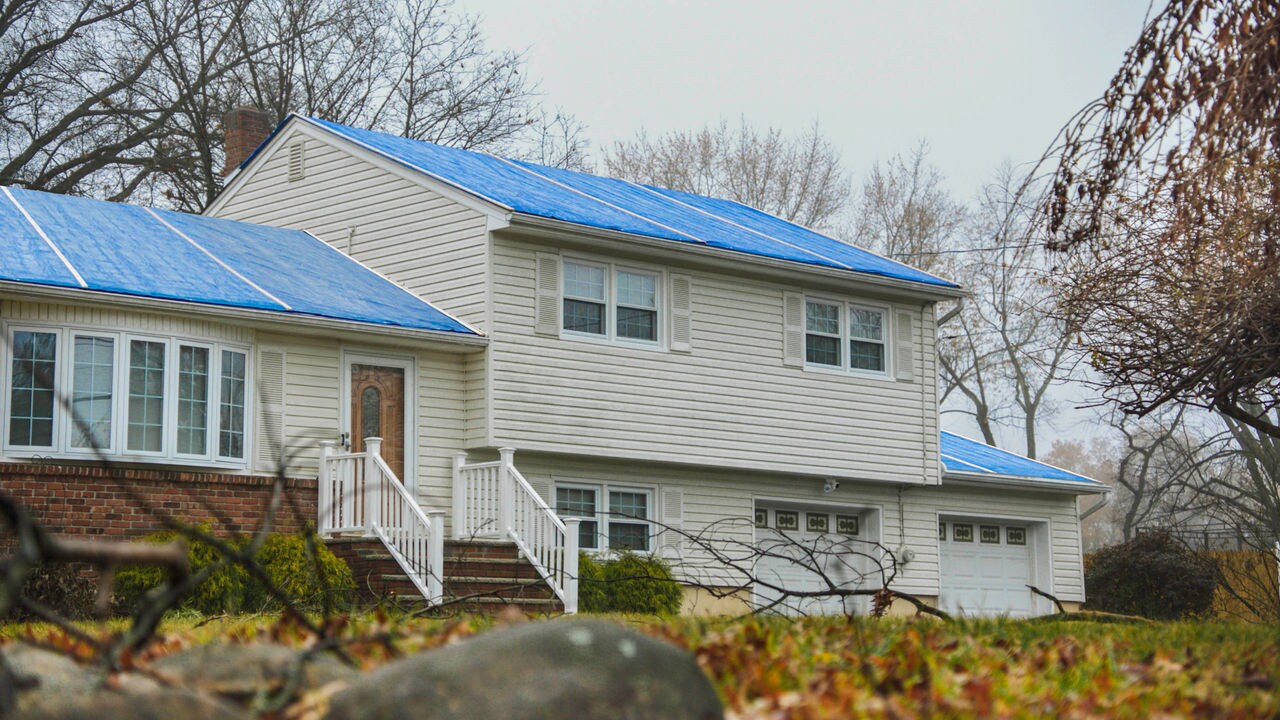
In 2025, the nation experienced 23 weather and climate disasters causing an estimated 276 fatalities and 115 $ billion in total damages, making it the third-highest year on record for billion-dollar disasters. Ranging from the devastating wildfires in southern California to severe storms and tornado outbreaks in the East, Southeast, Central, and North Central regions of the country, the message is clear: We must adapt to the intensifying effects of severe weather.
Enhanced roofing protection is an important component of the resilient building systems needed to prepare for future severe weather events. But it's not just about materials alone-a holistic approach that combines advanced roofing materials, rigorous construction standards, and expedited restoration efforts can help ensure that our communities are prepared to weather any storm.
GAF is leading this effort through a trio of initiatives:
- Impact-resistant roofing materials
- FORTIFIED standards that define protections beyond existing codes
- The GAF ScopeConnectSM service to streamline storm response and restoration
Understanding Enhanced Roofing Protection
All roofs should, at a minimum, be designed to be weather-resistant, acting as barriers against normal levels of wind, rain, or melting snow. Roofing systems designed for severe weather provide a higher degree of protection.
The three pillars of enhanced roofing protection roofing are:
- Impact Resistance: Provides protection* against damage that can be caused by hail and debris impacts.
- Wind Speed and Uplift Resistance: Helps prevent roofs from peeling off during high winds.
- Water Shedding: Helps prevent water infiltration due to heavy rainstorms.
The development of more roofing systems with enhanced protection has led to the certification of new products and systems through independent third-party standards, like UL 2218 for impact resistance, ASTM D3161 and TAS 107 for wind resistance, and ASTM D7158 for wind uplift.
Understanding Performance Standards
To provide enhanced protection against severe weather, a storm-resistant roof must meet the rigorous performance requirements of the following standards:
- Impact Resistance (UL 2218 Class 4): Shingles are rated based on their ability to absorb the simulated impacts of hail without damage. The testing protocol for Class 4 uses a 2" steel ball dropped twice from a height of 20 feet on installed shingles. To qualify as Class 4, shingles must exhibit no cracking.
- Wind Speed (ASTM D3161 Class F): Evaluates the wind resistance of shingles using a controlled high-speed stream of air. Class F shingles can withstand wind speeds up to 110 mph for 2 hours without lifting up.
- Wind Uplift (ASTM D7158 Class H): Measures the force required to lift shingles installed on a roof deck. Class H shingles are rated the highest, at wind speeds up to 150 mph.
- Wind Driven Rain Resistance (TAS-100): Evaluates a roof system's ability to shed water and prevent water infiltration. The test uses 8,8 in/hr of simulated rainfall with wind speeds of 35 to 110mph at prescribed intervals. A roof system that passes allows 0,05 % or less water infiltration.
The latest evolution of resilience-based standards is FORTIFIED, a comprehensive set of guidelines that goes beyond existing building code requirements.
The FORTIFIED Standard: A New Baseline for Roof Resilience
The Insurance Institute for Business and Home Safety (IBHS), an independent, nonprofit, scientific research and communications organization, developed FORTIFIED Certification as a voluntary set of advanced resiliency standards to protect buildings against severe weather.
There are three tiers to the FORTIFIED Home™ system:
- FORTIFIED Roof™: Covers the standards for materials and attachment methods for roofing, deck, underlayment, flashing, and edge trim.
- FORTIFIED Silver™: Includes the standards of the FORTIFIED Roof™ tier, with added protection for window and door openings, roof gable ends, and attached structures, like porches or carports.
- FORTIFIED Gold™: Includes the other two tiers, with additional requirements for tying the roof, walls, and foundation together as a continuous load path, providing increased structural resistance to storms.
By upgrading to FORTIFIED Home™ standards, homeowners can often benefit from insurance savings, state grants, roof repair financing, and a higher home resale value. An added benefit is the peace of mind that comes from investing in long-term protection for their home. For a home to earn certification, the contractor must follow specific FORTIFIED standards, and a third-party evaluator must verify the work. Once a home passes the evaluation, IBHS issues a designation, which is eligible for renewal every five years.
For contractors, the ability to provide FORTIFIED services to customers is a testament to their credibility and can help differentiate their business. Because of a proactive alliance between IBHS and GAF, a GAF Master Elite® contractor has access to comprehensive training and support to offer customers FORTIFIED services.
GAF Products for Enhanced Protection
GAF Class 4 impact-resistant shingles are the starting point for enhanced roof protection. Meeting the testing standards of UL 2218, meaning they were subjected to a 2-inch steel ball dropped from a height of 20 feet without cracking and are recommended for high-risk hail zones.
Both GAF Timberline® AS II and Grand Sequoia® AS meet this demanding standard. They're made with GAF's proprietary Styrene-Butadiene-Styrene (SBS) polymer-modified asphalt, which gives them superior strength and flexibility. They offer excellent wind resistance, meeting ASTM D3161 Class F and ASTM D7158 Class H—the highest possible wind and uplift resistance ratings available.
In addition to shingles, GAF also offers roof deck underlayment, seam tape, drip edges, and a variety of roof accessories that contribute to overall roof storm-resistance. Together, a complete GAF FORTIFIED Roof system** can help ensure reduced homeowner insurance claims, fewer callbacks after storms, and long-term customer satisfaction.
Storm Restoration: Build Back Stronger with GAF Service ScopeConnectSM Service
Another important aspect of storm resilience is restoration in the wake of severe weather events. When storms hit and homes are damaged, the GAF ScopeConnectSM service can help contractors respond quickly and effectively as part of the frontline in storm recovery.
The GAF ScopeConnect℠ Service can help to simplify the documentation process by providing estimates written by Cotality (Symbility) -trained and Xactimate-certified estimators. These estimates are delivered in industry-standard formats, which helps the contractor present professional documentation that is compatible with insurance carrier requirements. The service can deliver a complete insurance scope of work and construction estimate for a flat fee of 99 $ in as little as 24 hours.
By providing education, training, and FORTIFIED-aligned products, GAF helps build a network of contractors who are construction resilience experts while fostering a mindset of community restoration readiness.
Whether you're an experienced insurance restoration contractor or just starting out, GAF ScopeConnectSM can help you grow your business while helping your community rebuild smarter.
Economic Benefits
Making a community safer from severe storms provides many long-term economic benefits. FORTIFIED and storm-resistant roofing systems are proven to:
- Lower insurance premiums
- Reduce the number and cost of insurance claims
- Increase property values
- Build customer loyalty
Resilience initiatives provide proactive protection rather than just reactive repairs, and the investment pays off for everyone.
Ongoing Support: The Storm Restoration Hub
Building resilience is a collaborative effort. A family's ability to stay in their home often depends on the intersection of a contractor's skill and an insurance provider's efficiency. The GAF Storm Restoration Hub serves as the central resource for guidance, tools, and expert support.
Tailored for every audience, the Hub provides:
- Homeowners: Clear educational paths to understand damage and the steps to restoration.
- Contractors: Specialized training, GAF certifications, and tools to help homeowners navigate post-storm claims.
- Insurance Carriers: Durable solutions and guidance that reduce long-term risk and streamline recovery.
The Comprehensive Approach to Storm Resistance
GAF, through its framework of advanced roofing materials, FORTIFIED standards, and ScopeConnectSM restoration technology, has established itself as a leader in the resilience movement. Through its alliance with IBHS, GAF is dedicated to expanding access to contractor training, implementing FORTIFIED standards, and increasing storm restoration initiatives across communities nationwide.
Ready to protect what matters most? For homeowners interested in impact-resistant options, ask your contractor about FORTIFIED. For contractors, explore the benefits of being a GAF-certified contractor, the excellent learning opportunities available to you as a roofing professional, and the advantages of FORTIFIED certification.
You can also visit the GAF Storm Restoration Hub to access comprehensive resources for homeowners, including step-by-step guides, expert advice, and tools to navigate the restoration process.
*GAF makes no express or implied warranty about the impact performance of this product against hail. Hail damage is not covered under the limited warranty.
**Eligibility criteria, terms, and restrictions apply. See current FORTIFIED Home™ Standard available at fortifiedhome.org for details. U.S. only.
