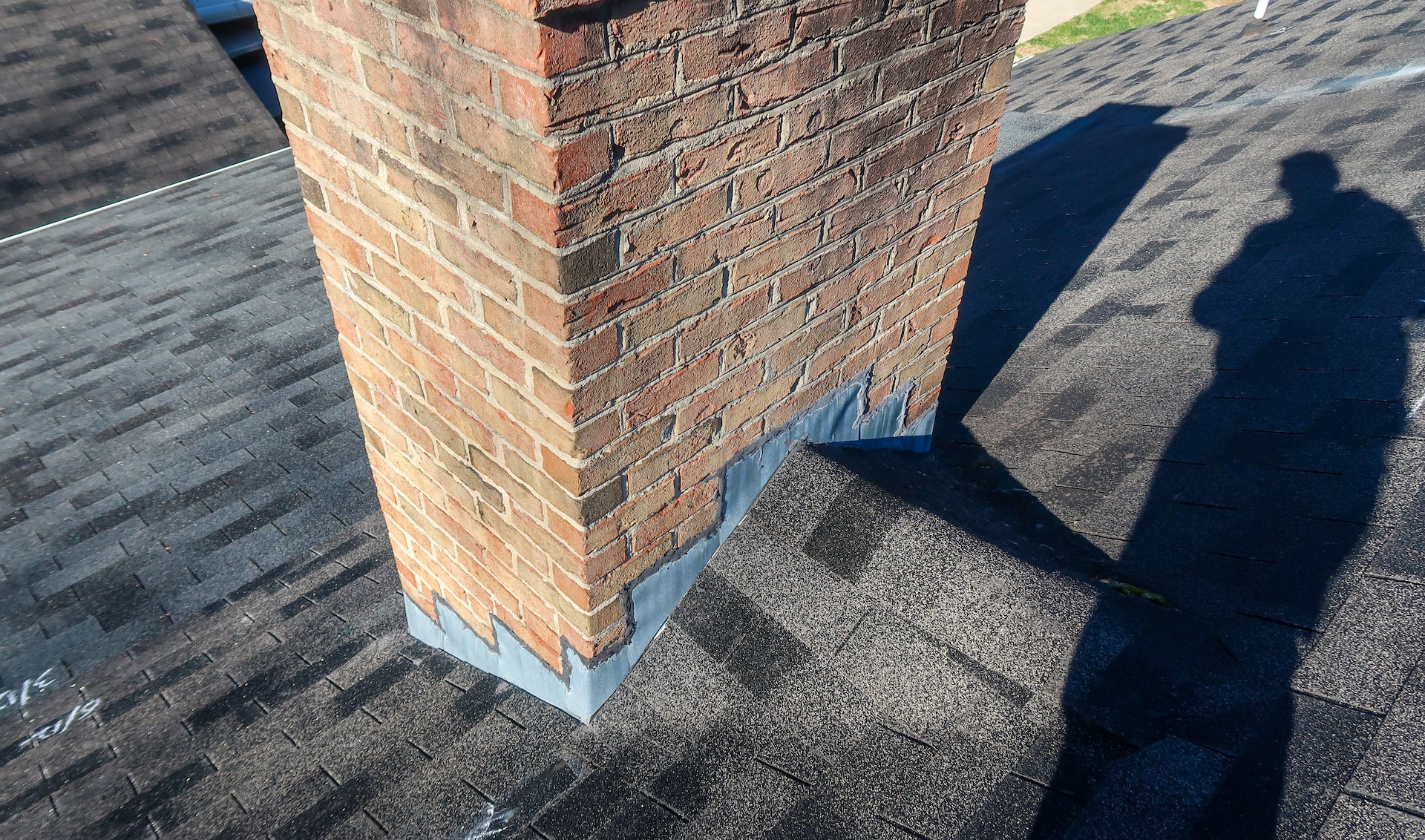
Roof crickets, aka chimney crickets, are a valuable part of any roof system. They can help prevent water from ponding and pooling near roof penetrations, like chimneys, roof curbs, and skylights, and they help divert water to draining locations. If water is allowed to collect in these areas, it can lead to leaks and structural problems.
For a more detailed exploration of the question "What is a roof cricket?," we'll take a look at their purpose, the various types, and when you should use one.
What Is a Roof Cricket?
A roof cricket, also called a saddle, is a triangular structure installed behind a chimney, skylight, or other roof protrusion to help divert water toward a drainage location. They are placed on the high side of a sloped roof face and split the run of the water around the obstacle instead of allowing it to pool at its base. Crickets aim to guide rainwater to drains and downspouts so that it flows off and away from the roof. They also help prevent debris like leaves and sticks from building up.
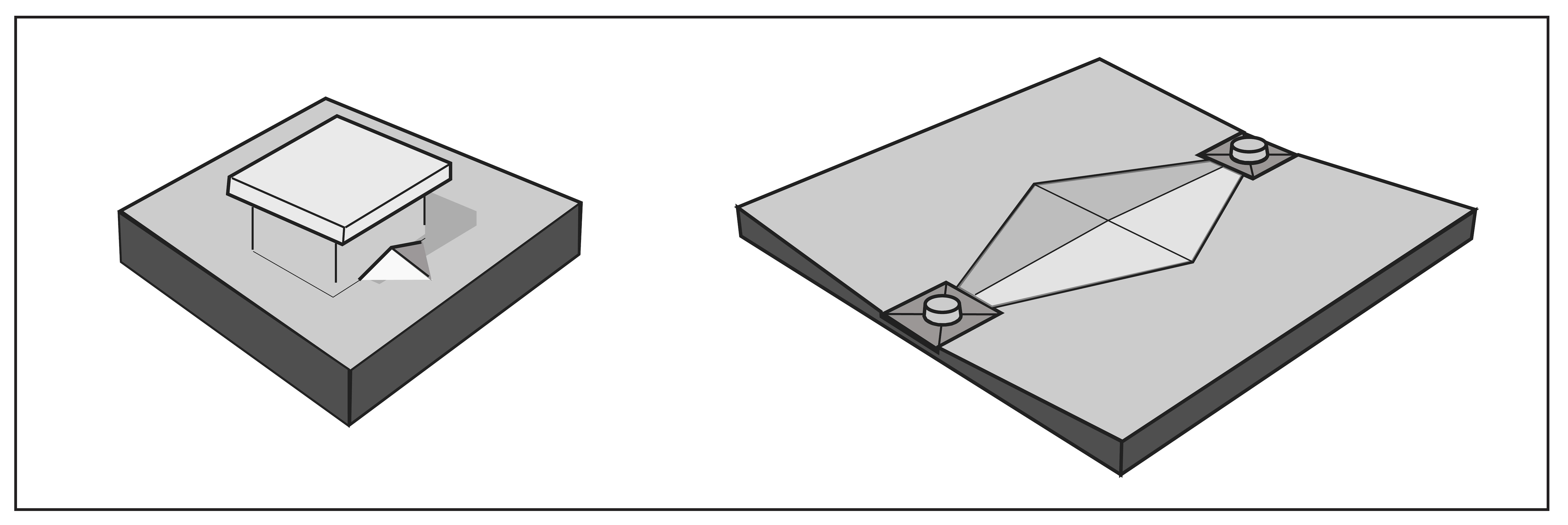
On low-sloped roofs (typically with a slope of 1/4" per foot built into the structure or created with tapered insulation), crickets are also used to help divert water to drains and scuppers. Standing water on low-sloped roofs can lead to structural damage caused by the weight of the ponding water, as well as to debris buildup, and other issues. To help prevent this, contractors install crickets at low areas at the perimeter of the roof, between drains and wall scuppers, and around HVAC or electrical equipment or skylights.
Types of Roof Crickets
Sloped roof crickets: On steep-sloped roofs, crickets are usually wood-framed structures covered either with metal or a roofing material like asphalt shingles. They are constructed in a half-diamond pattern for use behind chimneys, skylights, HVAC, or electrical equipment, and other curbs or penetrations. Metals commonly used for crickets include copper or galvanized steel, both of which help prevent rusting and corrosion. All crickets require metal flashing on the penetration to help prevent water from seeping into the roof deck. If water gets under the roofing system, it can cause leaks, mold, mildew, and structural damage.
Flat roof crickets: On a low-slope roof system, crickets are built using sloped rigid insulation and then covered with the membrane roofing system. Crickets for low-sloped roofs are built in a triangular or diamond-shaped pattern and have a slope double that of the roof for a net-positive backslope. A quarter-diamond pattern is used in a corner of a flat roof near the parapet wall. A full diamond pattern is used between two roof drains.
When You Should Use a Roof Cricket
Building codes in some areas may require crickets on certain chimneys. If this is required, you may need to add crickets when remodeling or replacing your roof.
Chimneys, skylights, or other roof protrusions located in areas with high water flow during a rain event will also need crickets to help reduce the risk of water pooling.
IRC/IBC Building Code Guidelines on crickets
The International Residential Code (IRC) and International Building Code (IBC) generally mandate that a cricket or saddle must be installed on the ridge side of any chimney or roof penetration greater than 30 inches (762 mm) wide to properly divert water runoff.
Who is IRC and IBC and why they need to be followed
The IRC and IBC are comprehensive model codes developed by the International Code Council (ICC) that are adopted and enforced by most jurisdictions in the U.S.; roofing contractors must adhere to them to ensure all work meets minimum standards for public safety, health, and structural integrity.
The chart below provides a quick reference to the building code requirements for roof crickets, detailing standards for their measurement (e.g., the 30-inch minimum width), the proper materials (sheet metal or roof covering), and common exceptions, such as for unit skylights or smaller penetrations.
Code Section | R903.2.2 | 1503.5 |
Description | A cricket or saddle shall be installed on the ridge side of any chimney or penetration more than 30 inches (762 mm) wide as measured perpendicular to the slope. Cricket or saddle coverings shall be sheet metal or the same material as the roof covering. | A cricket or saddle shall be installed on the ridge side of any chimney or penetration more than 30 inches (762 mm) wide as measured perpendicular to the slope. Cricket or saddle coverings shall be sheet metal or the same material as the roof covering. |
Exception | Unit skylights installed in accordance with the manufacturer’s instructions shall be permitted to be installed without a cricket or saddle. | Unit skylights installed in accordance with Section 2405.5 and flashed in accordance with the manufacturer’s instructions shall be permitted to be installed without a cricket or saddle. |
Steps a Contractor Certified by GAF will Take to Install a Roof Cricket
When a roof penetration, such as a chimney, is wider than 30 inches, building codes require a cricket to be installed. A GAF Certified Contractor follows a detailed, high-quality process to ensure this critical structure is built for maximum water diversion and leak protection:
Code-Compliant Framing and Pitch: The GAF contractor first verifies the chimney's size to confirm the IRC/IBC 30-inch-width requirement. They construct a sturdy double-triangle frame using sound lumber (typically 2x4s), ensuring the cricket's center ridge is properly placed and its sides have a pitch that is equal to or steeper than the main roof slope, guaranteeing immediate water runoff.
Secure Decking Installation: The lumber frame is securely fastened to the existing roof deck. New sheathing (plywood or OSB) is installed over the frame, creating a smooth, secure "mini-roof" surface that properly transitions to the existing roof plane.
GAF Leak Barrier Application: Unlike standard felt paper, the contractor applies a GAF Leak Barrier (such as WeatherWatch® or StormGuard®), a self-adhering modified asphalt membrane, over the entire cricket decking. This step is crucial, providing superior, watertight defense against ice damming and wind-driven rain at this vulnerable roof intersection.
Flashing and Sealing: The roofer installs corrosion-resistant metal flashing (step and cap flashing) where the cricket meets the chimney and the main roof. This flashing system is expertly integrated and sealed to ensure a watertight transition, managing the complex flow of water where three roof planes meet.
Shingle System Integration: Finally, the cricket is covered using GAF shingles to match the rest of your roof. The GAF contractor will apply the shingles according to GAF’s proprietary installation methods, ensuring the new cricket surface is seamlessly and securely woven into your overall GAF Roofing System for long-term durability and aesthetic uniformity.
Cost Influence and Efficiency
Installing a roof cricket adds an essential layer of leak protection that delivers significant long-term savings, far outweighing the initial expense.
Upfront Cost: A cricket typically adds between $300 to $1,000 to the cost of a full roof replacement, covering the structural lumber, GAF Leak Barrier, flashing, and labor.
Best Value: The most economical time to install a cricket is during a new roof replacement; retrofitting one later is substantially more expensive.
Cost-Benefit and Long-Term Savings
Investment in Prevention: A cricket is a necessary investment that forces water and snow to drain around large obstructions, preventing stagnation.
Avoiding Major Damage: This simple structure prevents the chronic leaks, wood rot, mold growth, and premature failure that occur when water pools behind a chimney.
High Return: The upfront cost is minimal compared to the thousands of dollars in potential repairs (decking replacement, interior water damage, flashing failure) avoided over the life of your roof. Installing a cricket secures your investment and extends the lifespan of your entire roofing system.
A Worthwhile Investment
Roof crickets help reduce the risk of water damage caused by pooling and ponding near large penetrations like chimneys, skylights, or equipment curbs. On both low-sloped and steep-sloped roofs they also help prevent water stagnation. When remodeling or reroofing, it's a good time to consider adding crickets. To determine whether or not you should consider having roof crickets installed on your roof, reach out to a local roofing contractor certified by GAF*.
Originally published: October 17, 2022 | Updated: May 27, 2026
*Contractors enrolled in GAF certification programs are not employees or agents of GAF, and GAF does not control or otherwise supervise these independent businesses. Contractors may receive benefits, such as loyalty rewards points and discounts on marketing tools from GAF for participating in the program and offering GAF enhanced warranties, which require the use of a minimum amount of GAF products. Your dealings with a Contractor, and any services they provide to you, are subject to the Contractor Terms of Use.
