During colder weather, contractors often have to re-assess their construction schedules, adjusting for possible changes in product installation timing and methods.
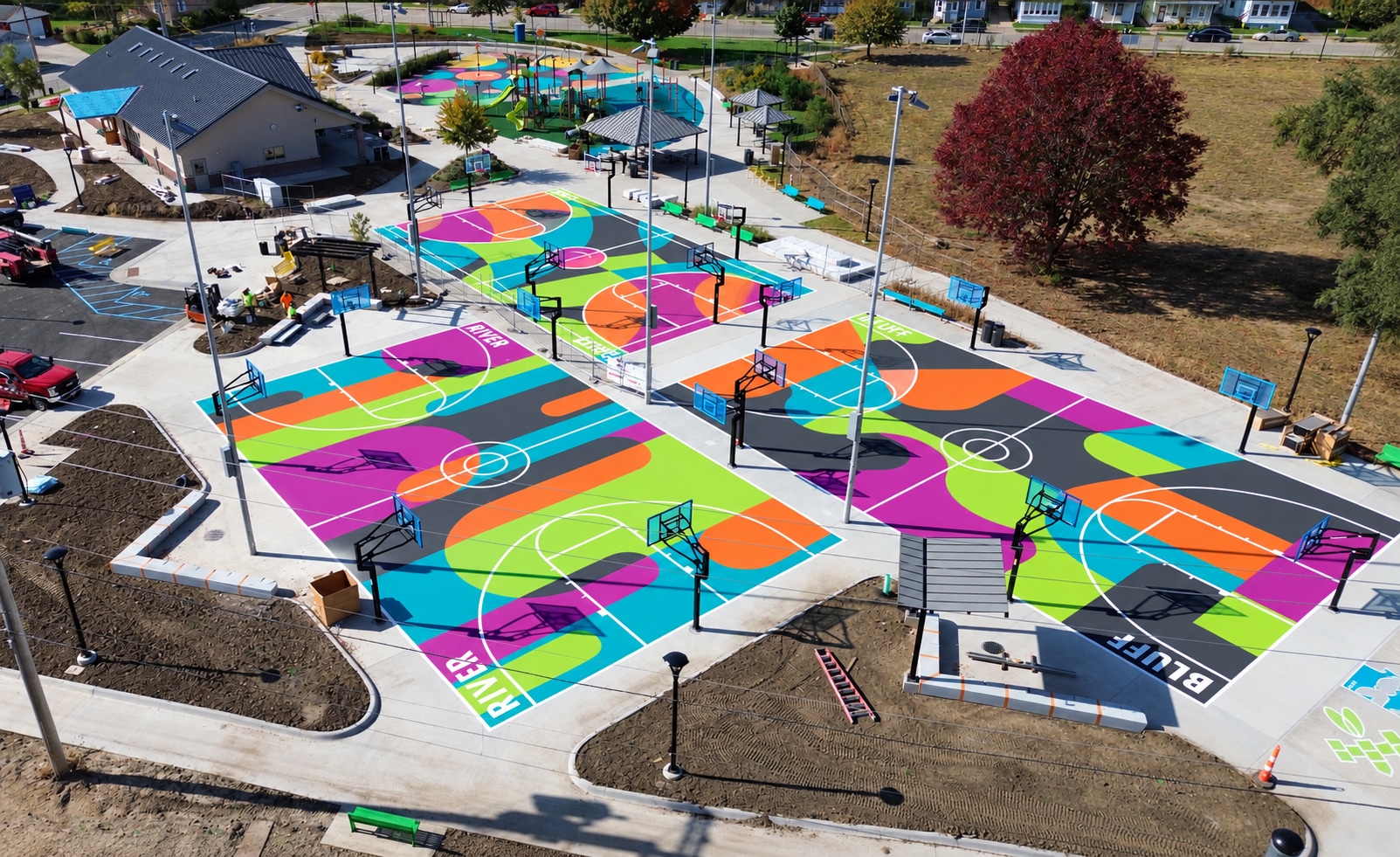
These considerations apply to the cold weather installation of pavement coating systems like StreetBond® Epoxy Modified Acrylic (EMA). Durable, colorful EMA coatings (like StreetBond® SB120, SB150, SB150AL, and DuraShield) are widely used for decorative pavement projects ranging from splash pads and play courts to crosswalks and bike lanes.
While an epoxy modified acrylic application can be successfully installed in lower temperatures, it's important to be familiar with the product characteristics and manufacturer recommendations for cold weather application. With those in mind, you can avoid common pitfalls, protect long-term coating performance and preserve product warranties.
Do's and Don'ts
Let's take a look at the recommendations for StreetBond® cold weather application, and likely impacts if those recommendations are not followed:
Product Storage and Prep
Climate Controlled Storage is Important. Store all liquid components, pails and color additives in temperature-controlled enclosures that are kept above freezing (32°F/10°C). If left exposed to freezing temperatures, EMA coating products could be permanently ruined before you even begin.
Reduce Added Water. In colder weather, the addition of water to the mix should be reduced to 1/2 quart per pail (as compared to 1 1/2 quarts per pail in warm weather) to help accelerate the curing process and maintain film integrity.
Refer to Product TDS. Always refer to the Technical Data Sheets for specific mix ratios and environmental limits for the StreetBond® EMA products you are using.
Prep and Prime Substrates. Be sure to prep substrates (and, if necessary, apply StreetBond® primers) as recommended by the manufacturer prior to coating application.
Temperature and Substrate Conditions
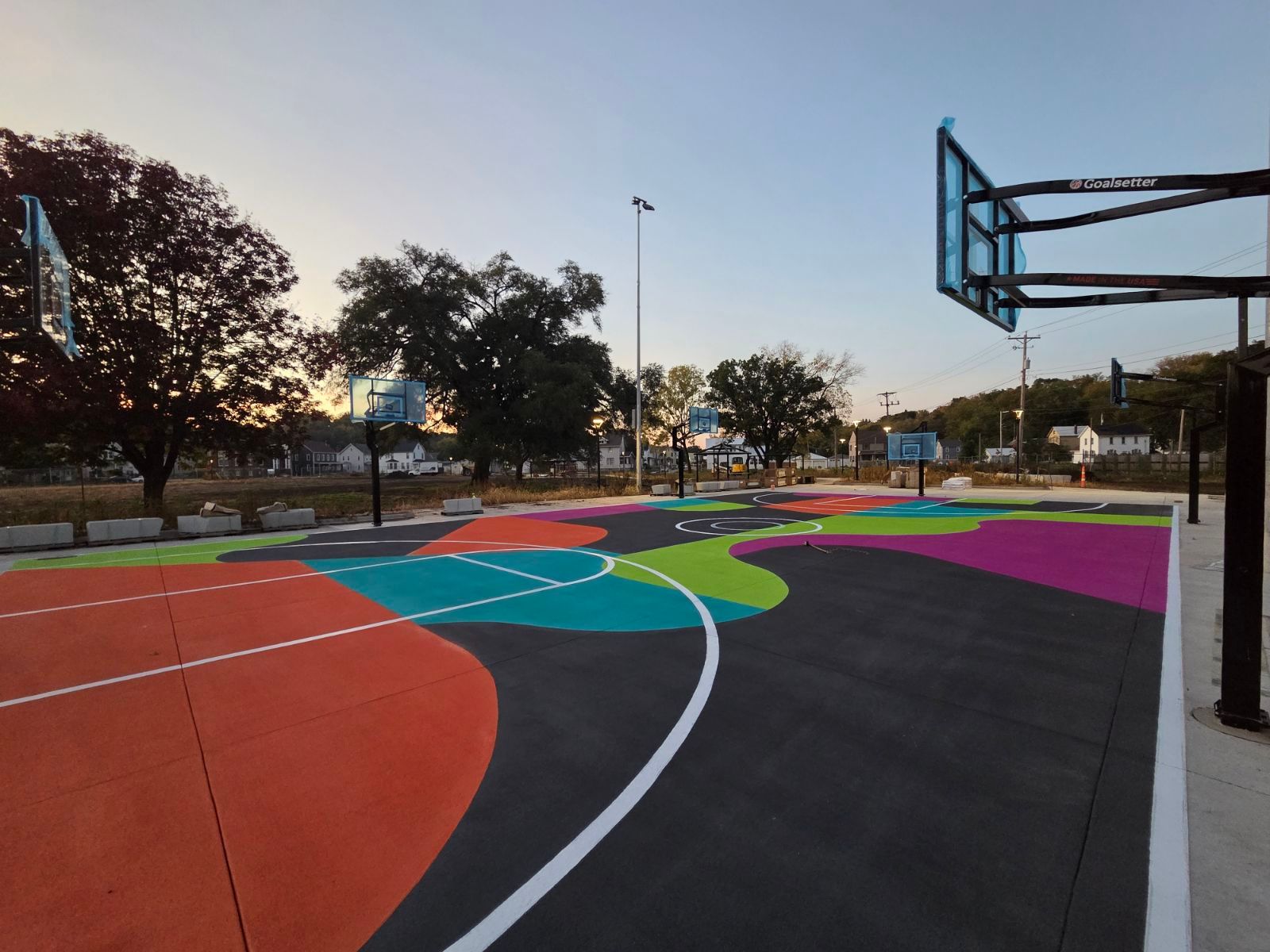
What is the Recommended Temperature to Apply StreetBond? StreetBond® EMA coatings should be applied at a minimum temperature of 50°F (10°C) and rising. This applies to the temperature of both the ambient air AND the asphalt or concrete substrate. If the temperature of either is below 50°F, it can affect the chemical bond between the coating and substrate, leading to poor adhesion, peeling and flaking. Cold temperatures also affect the viscosity (or thickness) of the coating, which can make the product more difficult to apply and result in uneven coverage.
Take Shade Into Account. If a portion of the substrate is in shade, it’s important to use an infrared thermometer to check the temperature, since the temperature of shaded pavement rises much more slowly than areas that are sunlit.
Substrate Must Be Dry. Verify that the substrate is completely dry before starting the application. Substrate dampness can slow evaporation of water in the coating and affect product adhesion.
Optimum Time of Day
What Is the Best Time of Day to Apply StreetBond? The application of EMA coatings in colder weather should occur during peak midday sunlight. This allows for maximum drying time before the temperature starts to drop towards evening.
Humidity and Dew Point Are a Factor. Humidity is also a consideration as the temperature reaches dew point later in the day. Condensation can occur if the surface temperature is not at least 5°F above the dew point.
Temperature and Weather Stability
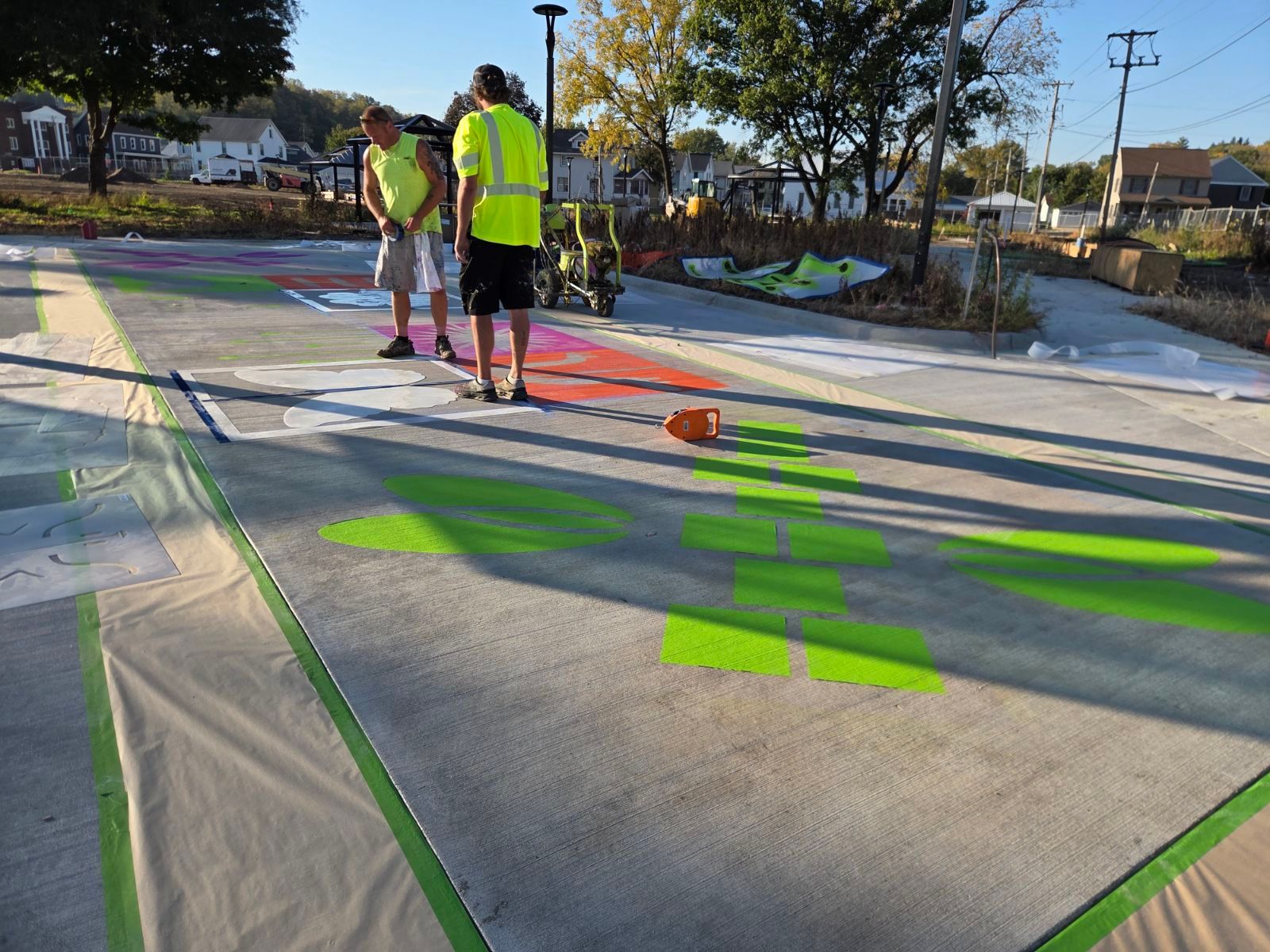
Avoid Rain/Freeze Events. After application, the ambient temperature should not drop below 50°F for at least 24 hours, nor should the coating be applied if rain is expected during that period.
Understand Curing Chemistry. Because EMA formulations are water-based, if the ambient air temperature were to unexpectedly drop to freezing before the coating is cured, any trapped water would freeze, causing layer separation, cracking or bubbling. Rain would, of course, dilute the coating and interfere with curing.
What Is Crosslinking and How Does It Affect Schedule? Epoxy and acrylic create a strong chemical bond (called crosslinking) during curing, when the components are locked together in a tough, durable, three-dimensional polymer network. Since EMA crosslinking occurs more slowly in lower temperatures, cure times should be extended beyond the standard 6-24 hour window, resulting in a longer wait before pedestrian or vehicle traffic is allowed.
Alternative Options
For certain projects that can't be delayed during cold weather, StreetBond® makes Methyl Methacrylate (MMA) resin coatings and preformed thermoplastic products that can be applied at 35°F and rising. These products can extend an applicator's season in comparison to EMA.
Next Steps
If you have questions about your particular pavement coating project, there are several ways to contact StreetBond® for answers:
Call StreetBond® Customer Service at 855-201-4989
Email the technical team at streetbond@gaf.com
Contact the team through the website at www.streetbond.com/about/contact
Visit www.streetbond.com to learn more about StreetBond®, its EMA coatings, and other StreetBond® pavement coating and marking technologies.
