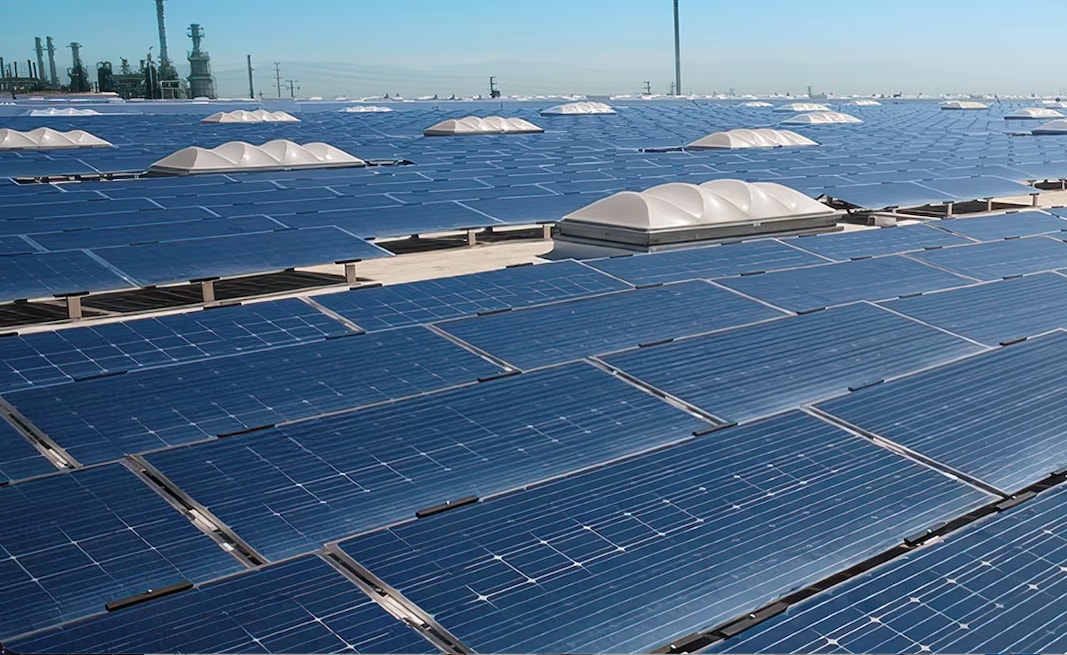
The 179D Energy-Efficient Commercial Buildings Deduction1 remains a powerful federal incentive, and it hasn't gone anywhere. In fact, for commercial construction, it was enhanced as part of the 2022 Inflation Reduction Act. However, the current eligibility window requires construction to begin before June 30, 2026.
This urgency means that roofers, specifiers, and designers must actively step into an advisory role to help building owners secure this major tax benefit.
As Jeanine Mulcahy, GAF Senior Product Manager, clarifies, "There's a misconception that the 179D tax deduction credit went away. It did not. For commercial construction, it was actually enhanced—we need to clarify and amplify that."
What Is an EPC and Why Do They Need You?
The most significant shift in the commercial landscape is the rise of the EPC (Engineering, Procurement, and Construction) project delivery model.
An EPC functions as a turnkey, white-glove partner, streamlining everything from initial engineering to final construction. Clients with large-scale projects love them because they help trim energy bills, hit sustainability goals, and maximize federal incentives like 179D tax deduction.
The Roofer's Crucial Role
EPC teams specialize in oversight, but they are generally not roofing specialists. They may understand megawatts and racking systems, but they often overlook the critical details of the building envelope:
Drainage integrity and membrane welds.
Structural capacity requirements.
How solar overburden affects the long-term performance and warranty coverage.
As Jeanine explains, "EPCs are like the orchestra conductor—they manage the entire performance, but they don't play every instrument. They know when to bring in the flutes and when to bring in the brass. Similarly, the EPC needs to bring in specialists, like GAF, to provide the detailed knowledge, evaluation, and best practices for the roofing envelope."
Roofers, specifiers, and designers need to position themselves as the Envelope Experts who guide the EPC early in the planning process to build better, stronger, and more resilient systems.
Breaking Down the 179D Tax Deduction
The 179D tax deduction is a federal incentive that encourages energy efficiency in commercial buildings by offering a tax deduction to the building owner (or, in some cases, the designer).
The Financial Incentive
Maximum Deduction: Offering a maximum inflation-adjusted deduction of $5.81 (2025) per square foot for a 50% reduction in energy and power costs if certain prevailing wage and apprenticeship (PWA) requirements are met. The maximum deduction is $1.16 (2025) per square foot if PWA requirements are not met.
Minimum Deduction: The minimum deduction is $0.58 per square foot if the minimum 25% efficiency was met and PWA was NOT met.
Who Can Claim It?
Building Owners: Owners who improve their commercial properties through energy-efficient upgrades to the envelope, HVAC, or lighting systems.
Designers of Government Buildings: Since government entities and tax-exempt organizations don't pay taxes, the deduction can be allocated to the architects, engineers, or contractors who design the qualifying systems.
Why the Roof Is Essential
The roof is the single largest component of a building's thermal shell. The selection of the insulation layer, cover board, and reflective membrane all can help directly contribute to the minimum 25% energy savings needed to be eligible for the deduction. Specifying the right roof is crucial to achieving the overall energy model.
Winning Work with EPCs: A Three-Way Partnership
EPCs seek partners who simplify logistics, reduce risk, and maximize efficiency. Roofing professionals who understand energy performance are a triple win.
Kurt Lichthardt, GAF Commercial Solar Area Specialist, offers strategies to help envelope professionals stand out:
Align Expertise: Partner with manufacturers that offer PV-ready systems and strong technical backup.
Speak Their Language: Present pricing and performance in terms the EPC understands (e.g., using watts and energy-savings metrics rather than just square footage).
Reduce Risk: Offer comprehensive services like roof walks, envelope assessments, and clear estimates to build trust.
Ensure Longevity: Show a strong energy-design track record and help with final guarantee briefings.
GAF Tools to Support Your Role
To help contractors and specifiers integrate efficiency and solar readiness, GAF offers certified solutions and accessories may qualify for extended guarantees and aid 179D eligibility:
Insulation/Cover Boards: Products like EnergyGuard® HD Plus help spread PV weight and protect the insulation layer, contributing to the energy model.
Membranes: EverGuard® TPO, EverGuard Extreme® TPO, and EverGuard® PVC membranes offer superior reflectivity and durability.
Non-Penetrating Mounts: Accessories like the GAF Rooftop Equipment Mount 100 and GAF Rooftop Equipment Mount 240 secure photovoltaic systems without penetrating the roof membrane, helping preserve the GAF Diamond Pledge™ NDL Guarantee.
Extended Limited Guarantee: The WellRoof® Guarantee Extension offers eligible contractors the ability to extend GAF's Diamond Pledge NDL Roof Guarantee up to 35 years when annual inspections are documented.
Conclusion
The 179D deduction is an invitation for envelope professionals to become energy partners. Contractors, designers, and specifiers who master efficiency metrics and EPC dynamics can shape projects that save clients federal money while building robust, high-performance systems that last.
